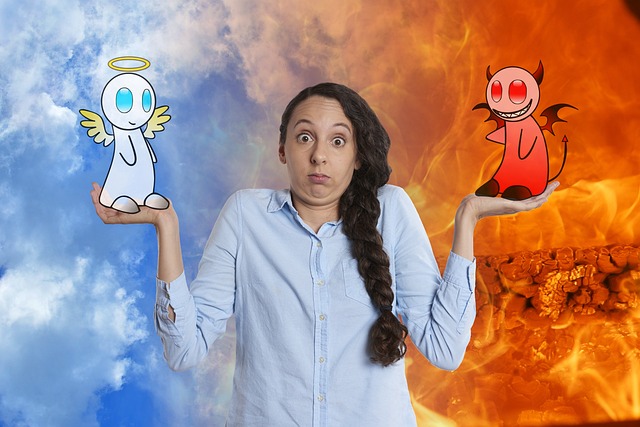
Bad Choices? Here’s How They Affect You
We’ve all been there, making a decision that, in hindsight, we wish we could retract. Whether it’s a hasty choice in a relationship or an impulsive financial decision, poor choices can seem harmless in the moment but often leave lasting scars. But how exactly do these decisions affect us in the long run? And, more importantly, how can we break free from the cycle of poor choices?
1. Lost Opportunities
Bad decisions often result in missed opportunities for advancement in careers, relationships, or personal growth. Each poor choice can close doors that may never reopen, limiting future possibilities and potential success.
2. Emotional Turmoil
The aftermath of negative choices frequently includes feelings of guilt, regret, and self-blame. These emotions can erode confidence and lead to ongoing emotional distress, creating a cycle that is difficult to break.
3. Damaged Relationships
Negative actions can strain or sever connections with friends, family, and colleagues. This disconnection may result in loneliness and a lack of support during challenging times, further exacerbating feelings of isolation.
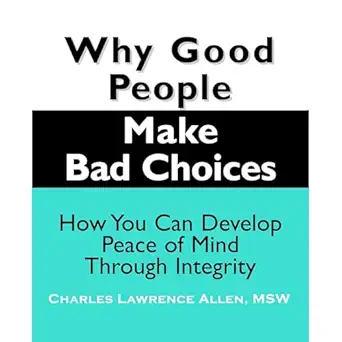
4. Financial Losses
Poor financial decisions—such as overspending or making bad investments—can have immediate and long-term repercussions on one’s economic stability. These choices can lead to significant financial strain and hinder future opportunities for growth.
5. Health Issues
Constant worry and stress stemming from bad choices can manifest as physical health problems, including anxiety and chronic illnesses. The toll on mental health is equally significant, affecting overall well-being and quality of life.
6. Reputation Damage
One wrong move can tarnish a person’s reputation, taking years to rebuild trust and credibility in both personal and professional spheres. The impact on one’s social standing can have lasting effects on relationships and career prospects.
7. Stagnation
Individuals may feel stuck in their lives due to a series of poor decisions, unable to progress or find fulfillment. This stagnation can lead to a cycle of further bad choices as they struggle to regain momentum and direction.
Conclusion
Recognizing the potential consequences of bad choices is essential for fostering better decision-making skills. By understanding how these decisions affect various aspects of life, individuals can work towards making more informed and constructive choices that promote growth and well-being.
Reflect on your recent choices. What is one area where you can make a better decision today? Share your thoughts in the comments below, or take a moment to evaluate your current decisions. Let us learn and grow together!