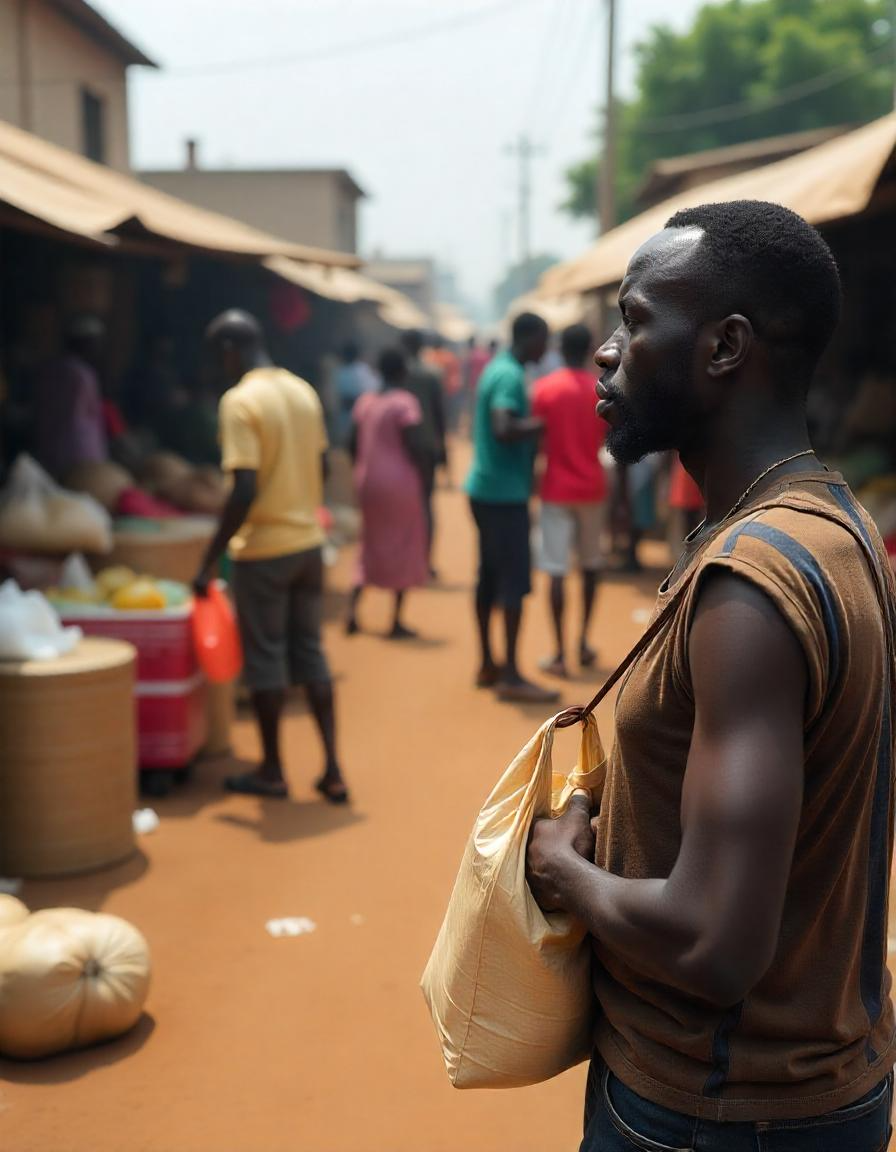
Despite abundant resources, corruption, insecurity, and weak governance continue to trap millions of Nigerians in poverty, while other nations chart a path to prosperity.
While many countries are making remarkable strides in reducing poverty, Nigeria’s poverty rate continues to surge. According to the World Bank Group, despite Nigeria’s resource-rich status, even more citizens are expected to fall into poverty by 2027. Why does progress seem so elusive, and what can be done to reverse this troubling trend?
1. Economic Instability
- Oil Dependency: Nigeria’s economy relies heavily on oil exports, making it highly vulnerable to global price fluctuations. This volatility undermines government revenues and reduces the funds available for social programs and development projects.
- High Inflation: Persistent inflation erodes purchasing power, making everyday necessities like food, healthcare, and housing increasingly unaffordable for the average citizen.
2. Corruption
- Mismanagement of Resources: Widespread corruption siphons off funds for social welfare, education, healthcare, and infrastructure, stalling real progress in poverty reduction.
- Weak Institutions: Poor governance and a lack of accountability prevent effective policy implementation and discourage foreign investment.
3. Insecurity
- Conflict and Violence: Ongoing conflicts, especially in the northern regions (such as the Boko Haram insurgency), disrupt agricultural and economic activities, displace millions, and strain humanitarian resources.
- Banditry and Kidnappings: Widespread insecurity hampers economic activities, deters local and foreign investment, and exacerbates unemployment.
4. Rapid Population Growth
- Outpacing Resources: Nigeria’s high population growth rate far exceeds the country’s capacity to create jobs and provide essential social services, leading to worsening poverty levels.
5. Infrastructure Deficiencies
- Limited Access: Poor roads, unreliable power supply, inadequate healthcare systems, and insufficient educational infrastructure severely limit economic opportunities and access to basic services.
6. Education and Skills Gap
- Low Educational Attainment: Limited access to quality education, particularly in rural areas, restricts economic mobility and employment prospects.
- Skill Mismatch: Even among graduates, there is often a disconnect between what is taught and the skills demanded by the job market, leaving many young Nigerians unemployable.
7. Global Economic Factors
- Impact of COVID-19: Like many countries, Nigeria’s economy was hit hard by the pandemic, but pre-existing vulnerabilities meant the effects were especially devastating, further deepening poverty levels.
A Path Forward
Addressing Nigeria’s poverty crisis demands comprehensive, sustained strategies. Key priorities must include:
- Diversifying the economy beyond oil
- Implementing strict anti-corruption reforms
- Strengthening institutions and governance
- Ensuring security and stability
- Investing heavily in education, skills development, and infrastructure
Countries that are successfully reducing poverty have one thing in common: they prioritize inclusive economic growth and human capital development, setting the foundation for sustainable progress. Nigeria must follow a similar path to unlock its full potential.
Conclusion:
Nigeria’s battle against poverty demands more than quick fixes; it requires bold reforms, investment in people, and unwavering leadership. It’s time for policymakers, businesses, and citizens to unite for a better future. Join the conversation and follow us.
Let’s be the generation that changes the story.